The difference between an ordinary commute and an extraordinary driving experience often comes down to the features inside your vehicle. Modern cars have evolved far beyond simple transportation—they’ve become sophisticated machines that prioritize safety, comfort, and connectivity in ways previous generations could only dream about.
What was once considered luxury has now become essential. Features that seemed like futuristic concepts just a decade ago are now standard equipment in many vehicles. The automotive industry has transformed dramatically, and understanding which features truly matter can help you make smarter decisions when buying or upgrading your next car.
This comprehensive guide explores the must-have car features that genuinely transform every drive. From lifesaving safety systems to comfort amenities that make long journeys feel effortless, you’ll discover what’s worth your investment and what makes a real difference on the road.
Safety Features That Save Lives
Safety should never be negotiable when choosing a vehicle. Modern automotive technology has made tremendous strides in preventing accidents and protecting occupants. These advanced safety systems work silently in the background, constantly monitoring your surroundings and ready to intervene when danger appears.
Automatic Emergency Braking
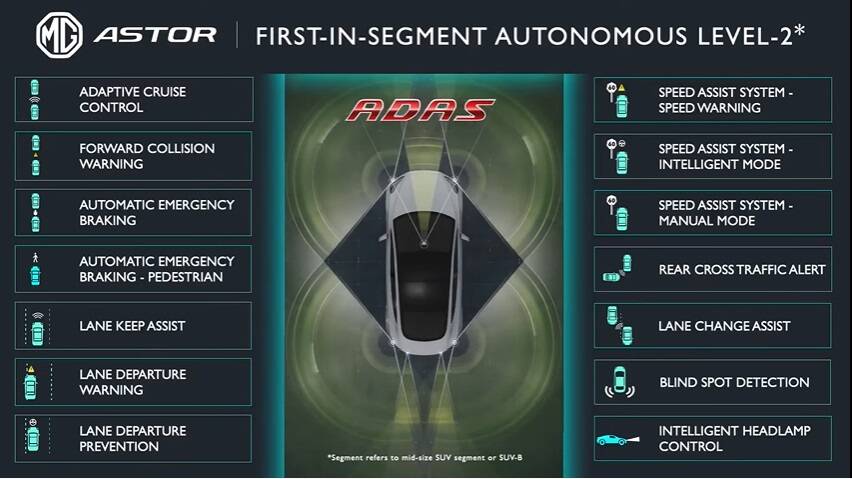
Automatic emergency braking has become one of the most valuable safety innovations in recent years. This system uses sensors and cameras to detect potential collisions with vehicles, pedestrians, or obstacles ahead. When the system identifies an imminent crash and the driver hasn’t reacted, it automatically applies the brakes.
Studies have shown that vehicles equipped with automatic emergency braking experience significantly fewer rear-end collisions. The technology works at various speeds, with some systems effective at highway speeds while others focus on low-speed urban scenarios. Many manufacturers now include this feature as standard equipment, recognizing its life-saving potential.
The peace of mind this technology provides is invaluable. Whether you’re momentarily distracted or facing an unexpected hazard, automatic emergency braking serves as your last line of defense. It’s particularly beneficial in stop-and-go traffic where attention can waver after hours of driving.
Blind Spot Monitoring
Every driver has experienced that moment of uncertainty when changing lanes on a busy highway. Blind spot monitoring eliminates that anxiety by using radar sensors to detect vehicles in adjacent lanes that might not be visible in your mirrors.
When another vehicle enters your blind spot, the system typically illuminates a warning light on the corresponding side mirror. If you activate your turn signal while a vehicle occupies that space, the system provides an additional alert—often a visual flash or audible warning. This simple yet effective technology has prevented countless lane-change accidents.
For highway driving, blind spot monitoring transforms the experience. Drivers report feeling more confident during lane changes and less stressed during long-distance travel. The system becomes especially valuable when driving larger vehicles like SUVs or trucks, where blind spots naturally expand.
Lane Departure Warning and Lane Keep Assist
Drowsy driving causes thousands of accidents annually, many resulting from drivers drifting out of their lane. Lane departure warning systems use cameras to track road markings and alert drivers when the vehicle begins to drift without a turn signal activated.
Lane keep assist takes this technology further by gently steering the vehicle back into its lane. The system doesn’t take over driving responsibilities but provides corrective input to help maintain proper positioning. Some advanced versions work in conjunction with adaptive cruise control to provide a semi-autonomous highway driving experience.
These features prove particularly valuable on long highway stretches where attention can naturally wander. The alerts serve as a wake-up call for drowsy drivers, potentially preventing serious accidents. Many drivers find that having this backup system allows them to maintain better focus, knowing the car will provide a warning if they drift.
Adaptive Cruise Control
Traditional cruise control maintains a set speed, requiring drivers to constantly disengage the system in traffic. Adaptive cruise control revolutionizes this concept by automatically adjusting your speed to maintain a safe following distance from the vehicle ahead.
Using radar or camera systems, adaptive cruise control can slow down when approaching slower traffic and accelerate back to your set speed when the road clears. Advanced versions can bring the vehicle to a complete stop in traffic jams and resume driving when traffic moves again.
This technology dramatically reduces stress during long drives. Highway journeys become less fatiguing as the system handles the constant speed adjustments that typically tire drivers. Many users report arriving at their destination feeling more refreshed and less mentally exhausted. Additionally, maintaining optimal following distances and smooth acceleration patterns often improves fuel efficiency.
360-Degree Camera System
Parking and low-speed maneuvering become effortless with a 360-degree camera system. Multiple cameras positioned around the vehicle create a bird’s-eye view, displaying your car and its surroundings on the center screen. This technology eliminates blind spots entirely when parking or navigating tight spaces.
Beyond convenience, these systems protect your investment by preventing costly scrapes and dents. Parallel parking on busy streets, backing into tight garage spaces, or navigating crowded parking lots becomes stress-free. Some advanced systems even include front and rear sensors that provide distance warnings, making precision parking possible even for nervous drivers.
The confidence these cameras provide extends beyond parking. They’re invaluable when driving in unfamiliar areas, navigating drive-throughs, or maneuvering in tight urban environments. Parents particularly appreciate this feature when checking for children or pets near the vehicle before backing up.
Connectivity and Entertainment Features
Today’s vehicles serve as mobile offices and entertainment centers. Connectivity features have transformed how we interact with our cars, making every journey more productive and enjoyable. These systems seamlessly integrate our digital lives with the driving experience.
Apple CarPlay and Android Auto
Smartphone integration through Apple CarPlay and Android Auto has become essential for modern drivers. These systems mirror your phone’s interface onto the vehicle’s display, providing access to navigation, music, messaging, and more through a familiar interface.
The beauty of these systems lies in their simplicity. Instead of learning a proprietary infotainment system, drivers use the same apps and interfaces they already know. Navigation apps like Google Maps or Waze provide real-time traffic updates and alternative routes. Music streaming services, podcasts, and audiobooks are all accessible through voice commands or simple touch controls.
Wireless versions of these systems eliminate cable clutter and make connectivity truly seamless. Simply get in your car, and your phone automatically connects, bringing your digital world along for the ride. This hands-free integration keeps drivers focused on the road while staying connected to what matters.
Premium Audio Systems
Quality audio transforms mundane commutes into enjoyable experiences. Premium audio systems from brands like Bose, Harman Kardon, or Bang & Olufsen deliver concert-quality sound that makes every drive feel special.
The difference between standard and premium audio becomes immediately apparent. High-quality speakers positioned strategically throughout the cabin create an immersive soundstage. Crisp highs, rich mids, and powerful bass make music come alive, whether you’re listening to classical symphonies or modern hip-hop.
For those who spend significant time in their vehicles, investing in quality audio pays dividends daily. Long commutes become opportunities to enjoy favorite albums or catch up on podcasts with clarity that rivals home audio systems. The enhanced sound quality also makes hands-free phone conversations clearer and more natural.
Wireless Charging Pads
Cable clutter in vehicles creates frustration and distraction. Wireless charging pads eliminate this annoyance while keeping devices powered throughout your journey. Simply place your compatible smartphone on the charging pad, and it begins charging automatically.
Modern wireless chargers support fast-charging protocols, ensuring phones charge quickly even during short trips. The convenience factor extends beyond eliminating cables—it creates a designated spot for your phone, preventing it from sliding around or becoming a distraction while driving.
For families with multiple devices, some vehicles offer multiple charging pads or USB ports throughout the cabin. Everyone stays connected and charged, whether on daily commutes or long road trips. This feature has transitioned from luxury to necessity as our dependence on smartphones continues to grow.
Wi-Fi Hotspot
Built-in Wi-Fi hotspots transform vehicles into mobile connectivity hubs. These systems provide internet access for multiple devices simultaneously, ensuring passengers stay connected regardless of location.
For families, this feature proves invaluable on road trips. Children can stream entertainment, complete homework, or stay connected with friends while parents focus on driving. Business travelers appreciate the ability to work from their vehicle during breaks or while parked at job sites.
The convenience of having reliable internet access anywhere eliminates concerns about data usage on personal phones. Most systems offer competitive data plans, and the connection typically provides better range and stability than smartphone hotspots. This feature particularly benefits those who frequently travel to areas with poor cellular coverage.
Comfort Features for Maximum Relaxation
Comfort features transform vehicles from transportation tools into personal sanctuaries. These amenities make every journey more pleasant, whether you’re running quick errands or embarking on cross-country adventures.
Heated and Ventilated Seats
Heated and ventilated seats have moved from luxury territory into mainstream offerings, and for good reason. These features provide year-round comfort that dramatically improves the driving experience in extreme weather conditions.
During winter months, heated seats provide immediate warmth that traditional heating systems can’t match. The heat soothes tired muscles and can even help alleviate back pain during long drives. Multiple heat settings allow precise temperature control, ensuring optimal comfort for different preferences and weather conditions.
Ventilated seats tackle summer heat by circulating air through perforated leather, preventing the uncomfortable sweating that often occurs with traditional seats. This feature becomes especially valuable in hot climates or when wearing formal clothing. The cooling effect keeps drivers alert and comfortable even during scorching summer days.
Many drivers report that once they’ve experienced these features, returning to vehicles without them feels like a significant downgrade. The comfort they provide enhances every drive, making them one of the most appreciated amenities in modern vehicles.
Dual-Zone Climate Control
Temperature preferences vary between passengers, often leading to the classic “thermostat wars.” Dual-zone climate control solves this problem by allowing the driver and front passenger to set independent temperature preferences.
Advanced systems extend this capability to rear passengers, creating truly personalized comfort zones throughout the cabin. Each occupant controls their own climate settings, ensuring everyone arrives comfortable regardless of individual preferences.
Beyond passenger comfort, these systems improve efficiency by directing heating or cooling only where needed. The technology uses multiple sensors throughout the cabin to maintain precise temperature control. Some premium systems even include air quality monitors and automatic recirculation modes that protect occupants from external pollutants.
Power-Adjustable Seats with Memory
Finding the perfect seating position significantly impacts comfort and safety. Power-adjustable seats offer numerous adjustment points—lumbar support, thigh support, seat height, tilt, and more—allowing drivers to achieve optimal positioning.
Memory settings take this convenience further by storing multiple driver profiles. With a button press, the seat automatically adjusts to saved preferences. This feature proves invaluable in households where multiple people drive the same vehicle, eliminating the daily ritual of readjusting seats.
Proper lumbar support prevents back pain during long drives, while adjustable thigh support improves circulation. The ability to make small adjustments while driving ensures sustained comfort throughout the journey. These features particularly benefit taller or shorter drivers who often struggle to find comfortable positions in vehicles designed for average heights.
Panoramic Sunroof
Panoramic sunroofs dramatically change the cabin atmosphere by flooding the interior with natural light. These expansive glass panels extend from the windshield back over the front and often rear seats, creating an open, airy feeling even when closed.
The psychological benefits of natural light are well-documented. Drivers report feeling more alert and less confined, particularly during long highway stretches. Passengers appreciate the enhanced view, especially children who enjoy watching clouds or stars during nighttime drives.
Modern panoramic sunroofs include power shades that slide closed when direct sunlight becomes too intense. Some feature electrochromic glass that can tint automatically, providing sun protection while maintaining the open-air feeling. This feature also tends to boost resale value, as many buyers specifically seek vehicles with sunroofs.
Ambient Interior Lighting
Ambient interior lighting creates atmosphere while serving practical purposes. These systems illuminate the cabin with customizable colors and intensity levels, allowing drivers to set the mood for different occasions or times of day.
Beyond aesthetics, ambient lighting improves safety by illuminating controls and cupholders without causing glare or distraction. The soft, indirect lighting reduces eye strain during nighttime driving while making it easier to locate items or controls without taking attention from the road.
Many systems offer dozens of color options and can be programmed to change based on driving modes or personal preference. Some premium implementations include dynamic lighting that responds to music or incorporates patterns that enhance the cabin’s premium feel. This feature exemplifies how modern vehicles blend technology with thoughtful design to improve the driving experience.
Convenience Features That Save Time
Modern life moves quickly, and convenience features help drivers maximize efficiency. These technologies eliminate minor frustrations and streamline daily routines, saving valuable time and mental energy.
Keyless Entry and Push-Button Start
Keyless entry and push-button start systems have revolutionized how we interact with vehicles. Simply approaching the car with the key fob in your pocket or purse unlocks the doors automatically. Once inside, a press of the start button fires up the engine—no fumbling for keys required.
This seemingly simple convenience proves invaluable in numerous situations. Carrying groceries, managing children, or dealing with bad weather becomes easier when you don’t need to dig for keys. The system enhances security by encrypting the signal between key and car, making theft more difficult than traditional key systems.
Cold weather particularly highlights the value of this feature. No more standing outside fishing through pockets with numb fingers. The car unlocks as you approach, allowing quick entry into the warmth. Some systems even integrate with remote start, allowing you to start the vehicle from inside your home.
Power Liftgate
Power liftgates have become increasingly popular, especially in SUVs and crossovers. These automatically opening tailgates respond to a button press on the key fob or a gesture sensor under the rear bumper, perfect when your hands are full of shopping bags or luggage.
The convenience extends beyond simple opening and closing. Programmable height settings prevent the liftgate from hitting low garage ceilings. Some systems feature kick sensors that open the liftgate when you wave your foot under the bumper—ideal when both hands carry heavy items.
For families, this feature simplifies loading strollers, sports equipment, or groceries. The automatic closing ensures the liftgate securely latches every time, eliminating concerns about leaving it improperly closed. This seemingly small convenience quickly becomes indispensable in daily life.
Remote Start
Remote start technology allows you to start your vehicle from inside your home or office, pre-conditioning the interior before you enter. This feature provides comfort in extreme weather while also improving safety and vehicle longevity.
During winter, remote start warms the engine and melts ice from windows while you finish breakfast. Summer heat becomes manageable as the air conditioning cools the cabin before you climb in. Modern systems integrate with smartphone apps, allowing you to start your car from virtually anywhere.
Beyond comfort, remote start offers security benefits. You can warm up your vehicle while it remains locked in your driveway rather than leaving it running with keys inside. The feature also benefits the engine by allowing proper warm-up before driving, potentially extending engine life. Some systems even send vehicle status updates to your phone, including fuel level and maintenance reminders.
Advanced Keyless Systems
Advanced keyless systems go beyond basic entry and start functions. These sophisticated systems remember individual driver preferences and automatically adjust seats, mirrors, climate settings, and even radio stations based on which key fob approaches the vehicle.
Some premium systems include profile-based authentication that recognizes different drivers and loads their saved preferences automatically. This technology creates a truly personalized experience without any manual adjustment needed. Family members can share a vehicle while each enjoying their preferred settings instantly upon entering.
The integration of these systems with smartphone apps adds another convenience layer. You can lock or unlock your car remotely, check if you remembered to close the windows, or even share temporary digital keys with family members or service providers. This connected approach to vehicle access represents the future of automotive convenience.
Advanced Technology Features
Cutting-edge technology features push the boundaries of what’s possible in modern vehicles. These innovations showcase how far automotive engineering has progressed and hint at the exciting developments coming in the near future.
Heads-Up Display
Heads-up displays project critical information onto the windshield directly in the driver’s line of sight. This technology allows drivers to monitor speed, navigation directions, and safety alerts without looking away from the road.
The safety benefits are substantial. Research shows that even brief glances at the instrument cluster can create dangerous gaps in attention. Heads-up displays eliminate this risk by presenting information where drivers are already looking. The projected image appears to float several meters ahead of the vehicle, requiring minimal eye refocus.
Modern systems display increasingly sophisticated information. Navigation arrows appear to overlay the road ahead, turn-by-turn directions integrate seamlessly with your view, and incoming call information appears without distraction. Some premium implementations include augmented reality features that highlight lane markings or potential hazards in real-time.
Drivers who’ve experienced heads-up displays often cite them as one of their favorite features. The technology feels futuristic while providing genuine practical benefits. As the technology becomes more affordable, it’s expanding from luxury vehicles into mainstream models.
Digital Instrument Cluster
Traditional analog gauges have given way to fully digital instrument clusters that offer unprecedented customization and information density. These high-resolution displays can transform their appearance based on driving mode, showing sportier graphics in performance mode or simplified readouts for relaxed cruising.
The flexibility of digital displays allows drivers to prioritize the information most relevant to them. Navigation maps can expand to fill the entire cluster when needed, or multiple data points can be displayed simultaneously. Many systems include customizable layouts that users can configure to match their preferences.
Beyond aesthetics, digital clusters improve functionality. Information updates instantly, graphics are crisp and easy to read in all lighting conditions, and the absence of mechanical components improves long-term reliability. Some systems integrate with other vehicle technologies to display 360-camera views, blind spot monitors, or even night vision feeds directly in the instrument cluster.
Voice Commands and AI Assistants
Voice recognition technology has matured to the point where natural conversation with your vehicle feels remarkably human-like. Modern voice assistants understand context, handle complex commands, and even respond to follow-up questions without requiring repeated wake words.
Drivers can control virtually every aspect of the vehicle through voice commands. Adjust climate settings, change radio stations, make phone calls, send text messages, or navigate to destinations—all without touching a button. This hands-free operation significantly improves safety by keeping hands on the wheel and eyes on the road.
Advanced systems integrate with home automation, allowing drivers to control smart home devices from their vehicle. Turn on lights before arriving home, adjust thermostats, or check security cameras—all through simple voice commands. Some implementations include AI assistants like Amazon Alexa or Google Assistant, bringing the familiar voices and capabilities people use at home into their vehicles.
The technology continues improving rapidly. Natural language processing allows more conversational interaction, while machine learning helps systems better understand individual accents and speech patterns over time. Voice control represents one of the most significant safety improvements in recent automotive history.
Over-the-Air Updates
Over-the-air software updates have revolutionized vehicle ownership. Rather than visiting a dealership for software improvements or new features, vehicles can download and install updates automatically, similar to smartphones.
This capability keeps vehicles current with the latest features and improvements throughout their ownership. Bug fixes install seamlessly, performance optimizations happen automatically, and sometimes entirely new features appear overnight. Tesla pioneered this approach, but traditional manufacturers are rapidly adopting the technology.
The benefits extend beyond convenience. Critical safety updates can be deployed quickly to entire fleets, ensuring all vehicles receive important improvements promptly. The technology also enables manufacturers to add features to existing vehicles, potentially increasing resale value and extending the useful life of vehicles.
Some manufacturers have begun offering subscription-based features that can be activated or deactivated remotely. While controversial, this approach allows owners to try premium features before committing or to activate capabilities only when needed, such as enhanced performance modes or advanced driver assistance during long trips.
Fuel Efficiency and Performance Features
Modern vehicles balance performance and efficiency through sophisticated technologies. These features optimize engine operation, maximize fuel economy, and allow drivers to tailor the driving experience to their preferences.
Eco and Sport Drive Modes
Selectable drive modes allow a single vehicle to exhibit multiple personalities. Eco mode prioritizes fuel efficiency by adjusting throttle response, transmission shift points, and climate control to minimize consumption. Sport mode unleashes the vehicle’s performance potential with sharper responses and more aggressive tuning.
The difference between modes can be dramatic. Eco mode might achieve 20% better fuel economy in city driving by smoothing acceleration and optimizing transmission behavior. Sport mode transforms the same vehicle into an enthusiastic performer with immediate throttle response and higher rev limits.
Many vehicles offer several modes—Comfort provides balanced performance, Snow mode optimizes traction in slippery conditions, and some performance vehicles include Track modes that disable stability control for experienced drivers. This versatility allows one vehicle to serve multiple purposes effectively, from efficient daily commuting to spirited weekend driving.
Start-Stop Technology
Engine start-stop systems automatically shut down the engine when the vehicle stops, such as at traffic lights or in traffic jams, then instantly restart when the driver releases the brake. This simple concept significantly reduces fuel consumption and emissions in urban driving.
The technology operates seamlessly enough that many drivers barely notice it working. Advanced systems predict when stops will be brief and manage climate control to maintain comfort even with the engine off. Battery management systems ensure sufficient charge for reliable restarts regardless of conditions.
Real-world fuel savings vary but typically range from 5-10% in city driving where frequent stops occur. Over a vehicle’s lifetime, these savings add up substantially, both financially and environmentally. The reduced idle time also means less engine wear and lower maintenance costs over time.
Some drivers initially resist start-stop systems, but most adapt quickly and appreciate the efficiency benefits. The technology can typically be disabled for drivers who prefer traditional operation, though most find they rarely need this option once accustomed to the system’s smooth operation.
Hybrid and Electric Options
Hybrid and electric powertrains represent the most significant shift in automotive technology in decades. These options provide compelling benefits in operating costs, environmental impact, and driving experience.
Hybrid vehicles combine traditional engines with electric motors to achieve remarkable fuel efficiency. Modern hybrids seamlessly blend power sources, using electric motors for low-speed operation where they’re most efficient and engaging the engine for highway cruising or acceleration. Many achieve 50+ mpg while providing adequate performance for most drivers.
Plug-in hybrids extend this concept by including larger batteries that can be charged from external sources. These vehicles operate as pure electrics for 20-50 miles before engaging the engine, allowing many drivers to complete daily commutes without burning any gasoline. The engine provides extended range for longer trips without the range anxiety associated with pure electric vehicles.
Full electric vehicles eliminate the engine entirely, offering zero local emissions, minimal maintenance, and remarkably low operating costs. Modern EVs provide sufficient range for most daily needs, and charging infrastructure continues expanding rapidly. The instant torque delivery creates thrilling acceleration while silent operation provides a serene driving experience.
The transition to electrified powertrains accelerates annually as battery costs decrease and technology improves. These options increasingly make sense not just for environmental reasons but as smart financial decisions for many drivers.
Features Worth Paying Extra For
Not all optional features provide equal value. Understanding which upgrades deliver the most benefit helps buyers make informed decisions and avoid overspending on features that sound impressive but rarely get used.
Safety features consistently rank among the most valuable upgrades. Automatic emergency braking, blind spot monitoring, and adaptive cruise control provide tangible benefits every time you drive. These technologies prevent accidents, reduce stress, and could literally save your life. The insurance savings they may provide can offset part of their cost over time.
Heated seats consistently rank as one of the most appreciated comfort features, particularly in colder climates. The comfort they provide during winter months makes them feel essential rather than luxury. Dual-zone climate control similarly proves its worth daily, eliminating temperature disputes and ensuring everyone rides comfortably.
Quality audio systems deliver value for those who spend significant time in their vehicles. The improvement over standard systems is immediately apparent, and the enhanced listening experience is enjoyed during every drive. However, this remains a personal preference—drivers who primarily listen to podcasts or audiobooks may find less value than music enthusiasts.
Smartphone integration through Apple CarPlay or Android Auto has become essential for most buyers. The convenience of familiar interfaces and seamless connectivity makes this feature feel indispensable. Most manufacturers now include it as standard equipment, recognizing its importance to modern buyers.
Sunroofs and panoramic roofs typically boost resale value and provide genuine enjoyment, though some buyers find they use them less than anticipated. Consider how often you actually open sunroofs in current or previous vehicles before investing in this feature.
Advanced driver assistance packages that bundle multiple safety technologies often provide better value than purchasing features individually. These packages typically include adaptive cruise control, lane keeping assist, automatic emergency braking, and traffic sign recognition at a lower total cost than ordering features separately.
Features to Avoid or Skip
While many features provide genuine value, others represent expensive upgrades that deliver minimal benefit for most drivers. Understanding which features to skip helps avoid inflating your vehicle’s price unnecessarily.
Built-in navigation systems have become largely obsolete with smartphone integration. Apps like Google Maps and Waze provide superior navigation with real-time traffic updates and frequent improvements—all for free. Upgrading to a premium navigation package makes little sense when your phone provides better functionality.
Rear-seat entertainment systems sound appealing for families but often go unused. Tablets provide similar functionality at a fraction of the cost and offer more flexibility and better content options. The built-in systems also quickly become outdated as technology advances.
Night vision systems use infrared cameras to detect pedestrians and animals beyond headlight range. While technologically impressive, they’re expensive and provide limited practical benefit for most drivers who rarely drive in conditions where they’re useful.
Automated parking systems can parallel park or back into spaces automatically. These systems work well but aren’t necessary when parking sensors and cameras provide adequate assistance. Most drivers find that once they learn to use cameras effectively, automated parking becomes redundant.
Premium paint colors often cost $500-1000 extra but provide no functional benefit. Standard colors look fine and don’t impact the driving experience. Unless you’re particularly passionate about a specific color, this money is better spent elsewhere.
Extended warranties and protection packages dealers aggressively market often represent poor value. Modern vehicles are reliable, and these packages include numerous exclusions and limitations. If you must purchase an extended warranty, shop around—dealer prices typically far exceed third-party options.
Self-healing paint and ceramic coating packages dealers offer at delivery sound impressive but can be applied aftermarket for much less. These treatments do work but aren’t worth the premium dealers charge.
How to Prioritize Features Based on Your Needs
Every driver has unique priorities based on their situation, driving habits, and preferences. Tailoring feature selection to your specific needs ensures you get maximum value without overspending on capabilities you won’t use.
For Daily Commuters
Daily commuters benefit most from features that reduce stress and improve efficiency. Adaptive cruise control transforms highway commuting by eliminating constant speed adjustments in traffic. The fatigue reduction becomes noticeable immediately, particularly during long commutes.
Quality audio systems or smartphone integration make time in traffic more enjoyable. The ability to catch up on podcasts, audiobooks, or music in excellent sound quality turns wasted commute time into something productive or pleasant.
Fuel efficiency features pay dividends quickly when driving hundreds of miles weekly. Hybrid powertrains or fuel-sipping conventional engines save substantial money over time. Start-stop technology and eco modes further improve efficiency in stop-and-go traffic typical of commutes.
Comfort features like heated seats and dual-zone climate control make daily drives more pleasant. Since you’ll use these features constantly, they justify their cost quickly through improved comfort and reduced stress.
For Families
Family vehicles prioritize safety, convenience, and keeping passengers entertained. The comprehensive safety packages with automatic emergency braking, blind spot monitoring, and rear cross-traffic alert protect precious cargo.
Power liftgates simplify loading strollers, groceries, sports equipment, and luggage. The convenience when your hands are full makes this feature quickly indispensable for busy parents.
Rear climate controls allow back-seat passengers to adjust their comfort settings. Combined with rear vents and heated seats, these features keep everyone comfortable on long road trips.
Built-in Wi-Fi or multiple USB charging ports keep devices powered and passengers entertained. While you might skip rear-seat entertainment systems, having connectivity for tablets and phones that passengers already own makes sense.
Third-row seating when needed provides flexibility for carpools or growing families. However, consider how often you’ll use the third row—occasional need might be better served by borrowing or renting a larger vehicle.
For Long-Distance Drivers
Those who regularly drive long distances benefit tremendously from advanced driver assistance features. Adaptive cruise control with traffic jam assist reduces fatigue during interstate travel. Lane keeping assist adds an extra safety layer during long stretches when attention naturally wanders.
Premium seats with multiple adjustments and lumbar support become crucial for comfort during multi-hour drives. Ventilated seats prevent fatigue from sweating during summer road trips. These features might seem excessive for short trips but prove invaluable during long hauls.
Large fuel tanks or electric vehicles with extended range reduce stop frequency. Some highway cruisers can travel 500+ miles between fill-ups, minimizing time wasted at gas stations during road trips.
Quality suspension systems that absorb road irregularities reduce fatigue over long distances. Adaptive suspension systems that adjust based on road conditions provide the best balance of comfort and handling.
For City Drivers
Urban drivers prioritize maneuverability, parking assistance, and compact dimensions. The 360-degree camera systems and parking sensors eliminate stress from tight parking situations and narrow city streets.
Compact vehicle dimensions make city navigation easier, though modern crossovers often include features that mitigate their size. Tight turning circles and good visibility help navigate congested urban environments.
Fuel efficiency matters significantly in city driving where stop-and-go traffic dominates. Hybrid powertrains excel in urban conditions, often achieving much better mileage in the city than on highways—the opposite of conventional vehicles.
Start-stop technology particularly benefits city drivers, shutting off the engine during frequent stops at traffic lights and reducing fuel consumption where it’s typically highest.
Keyless entry and push-button start simplify the frequent in-and-out nature of city driving. Running errands becomes less frustrating when you’re not constantly fumbling for keys.
Future Car Features on the Horizon
The automotive industry continues evolving rapidly, with exciting technologies approaching mainstream availability. Understanding upcoming features helps buyers consider whether to purchase now or wait for the next generation of innovations.
Autonomous driving capabilities continue advancing, though full self-driving remains years away from widespread availability. Current systems offer impressive highway pilot features that handle steering, acceleration, and braking on well-marked roads. The next generation will likely expand these capabilities to more complex environments.
Level 3 autonomy allows hands-off driving in certain conditions, though drivers must remain ready to take control. Several manufacturers plan to introduce these systems within the next few years, primarily for highway driving. This technology could transform long-distance travel by reducing driver fatigue substantially.
Augmented reality windshields will expand on current heads-up displays by overlaying navigation directions directly onto the road ahead. Imagine seeing turn arrows appearing to float above the actual roadway, or hazard warnings highlighting pedestrians or obstacles in your path. Several manufacturers are developing these systems for near-term introduction.
Biometric vehicle access will replace key fobs with fingerprint or facial recognition. Your vehicle will recognize you as you approach and automatically adjust all settings to your preferences. This technology eliminates concerns about lost keys while providing enhanced security.
Vehicle-to-vehicle communication will allow cars to share information about road conditions, hazards, and traffic. If a vehicle several cars ahead suddenly brakes, your car could receive a warning before you even see the brake lights. This technology requires widespread adoption but promises significant safety improvements.
AI-powered predictive maintenance will monitor vehicle health and predict failures before they occur. Your car might schedule its own service appointments and order parts automatically when sensors detect impending issues. This proactive approach prevents unexpected breakdowns and optimizes maintenance schedules.
Advanced battery technology will dramatically improve electric vehicle range and charging speed. Solid-state batteries promise 500+ mile ranges with 15-minute charging times within the next 5-10 years. These improvements will eliminate most concerns about EV practicality.
Interior adaptability will allow vehicles to transform their cabins based on use. Seats might rotate to face each other for conversations when autonomously driving, or fold completely flat for camping. Modular interior concepts let owners customize their vehicle’s layout for different purposes.
Solar-powered vehicles will incorporate efficient solar panels into body panels and roofs, potentially adding 20-40 miles of range daily from sun exposure alone. While not replacing charging, this free energy extends range and reduces charging frequency.
Conclusion
Choosing the right car features transforms vehicle ownership from basic transportation into an experience you genuinely enjoy. The must-have features explored throughout this guide represent the technologies that deliver the most significant improvements to safety, comfort, convenience, and overall driving satisfaction.
Safety features should always top your priority list. Automatic emergency braking, blind spot monitoring, and adaptive cruise control protect you and your passengers while reducing stress during every drive. These technologies have proven track records of preventing accidents and saving lives.
Comfort amenities like heated seats, quality audio systems, and dual-zone climate control make every journey more pleasant. While these might seem like luxuries, the enhanced comfort during daily commutes or long road trips quickly justifies their inclusion.
Connectivity features through Apple CarPlay and Android Auto have become essential in our digital world. The seamless integration of smartphones with your vehicle keeps you safely connected without distraction.
The key is matching features to your specific needs rather than simply selecting every available option. A daily commuter’s priorities differ significantly from a family’s requirements or a long-distance driver’s needs. Understanding your driving patterns and honest assessment of which features you’ll actually use ensures the best value.
Modern vehicles offer incredible capabilities that previous generations couldn’t imagine. By focusing on features that genuinely improve your driving experience while skipping those that sound impressive but deliver limited value, you can build the perfect vehicle for your lifestyle.
Take the time to test-drive vehicles with different feature combinations. Experience how adaptive cruise control feels in traffic, try the convenience of keyless entry, and evaluate whether premium audio truly enhances your listening experience. These hands-on experiences provide the best guidance for making informed decisions.
The automotive landscape continues evolving rapidly, with exciting technologies constantly emerging. However, the features available today offer tremendous value and capability. Don’t wait for the perfect future technology—today’s vehicles provide safety, comfort, and convenience that can transform every drive into something special.
What features matter most in your driving experience? Have you discovered any must-have features that we haven’t covered? Share your thoughts and experiences in the comments below—your insights help other readers make better decisions about their next vehicle purchase.
Frequently Asked Questions
What are the most important safety features in a car?
The most critical safety features include automatic emergency braking, which can prevent collisions autonomously; blind spot monitoring for safer lane changes; lane departure warning to prevent unintentional drifting; adaptive cruise control for maintaining safe following distances; and 360-degree cameras for low-speed maneuvering safety. These five technologies provide comprehensive protection across different driving scenarios and have demonstrated effectiveness in preventing accidents. Modern vehicles increasingly include these features as standard equipment, recognizing their importance in reducing injuries and saving lives.
Are advanced car features worth the extra cost?
Advanced features justify their cost when they address your specific needs and driving conditions. Safety technologies like automatic emergency braking and blind spot monitoring provide value that could literally save your life, making them worthwhile investments. Comfort features like heated seats or quality audio deliver value proportional to how much time you spend driving—daily commuters benefit more than occasional drivers. Connectivity features have become essential for most people, making smartphone integration practically non-negotiable. The