The automotive world has undergone a remarkable transformation in recent years. What once seemed like science fiction—cars that brake themselves, assist with parking, and keep drivers alert—has become everyday reality. Modern vehicles are packed with innovative technology that doesn’t just add convenience; these features fundamentally reshape the entire driving experience. Whether someone’s a daily commuter navigating city traffic or a road trip enthusiast covering long distances, today’s car features are designed to make every journey safer, more comfortable, and genuinely enjoyable. This comprehensive guide explores the game-changing innovations that are redefining what it means to get behind the wheel.
Safety Features That Save Lives
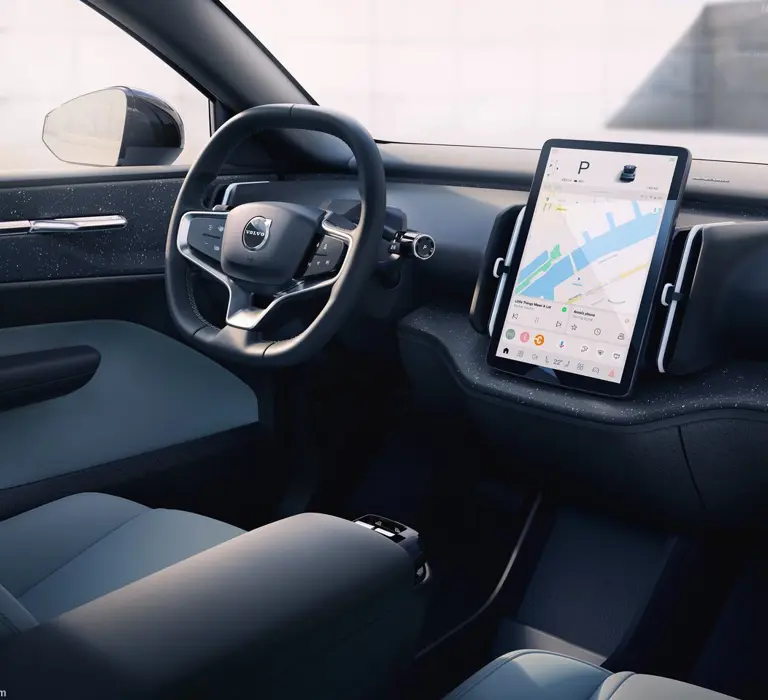
Modern safety technology has moved far beyond basic seatbelts and airbags. Today’s vehicles come equipped with intelligent systems that actively work to prevent accidents before they happen. These aren’t just nice-to-have additions—they’re lifesaving innovations that have proven their worth on roads worldwide.
Automatic Emergency Braking
Automatic emergency braking represents one of the most significant safety advancements in automotive history. This system uses sensors, cameras, and radar to constantly monitor the road ahead. When it detects an imminent collision that the driver hasn’t responded to, the vehicle applies the brakes automatically. Research shows this technology reduces rear-end collisions by up to 50%, making it an absolute game-changer for preventing accidents.
The system works seamlessly in the background, only intervening when necessary. Most drivers report that after experiencing how effectively it works, they feel genuinely uncomfortable driving vehicles without it. Major manufacturers like Toyota, Honda, Subaru, and Mercedes-Benz have made this feature standard across many of their model lines, recognizing its critical importance.
Blind Spot Monitoring and Cross-Traffic Alert
Every driver has experienced that moment of uncertainty when changing lanes—is there a vehicle lurking in the blind spot? Blind spot monitoring eliminates this guesswork entirely. Small sensors mounted in the rear bumper detect vehicles in adjacent lanes that mirrors might miss. When a car enters the blind spot, a warning light illuminates on the corresponding side mirror.
Cross-traffic alert takes this technology further by watching for approaching vehicles when backing out of parking spaces. Anyone who’s tried to reverse out of a busy parking lot knows how challenging it can be to spot oncoming traffic. This system provides audible and visual warnings, preventing countless parking lot fender-benders every day.
Lane Departure Warning and Lane Keep Assist
Drowsy driving and momentary distractions cause thousands of accidents annually. Lane departure warning systems use cameras to track road markings and alert drivers when their vehicle begins drifting out of its lane without a turn signal activated. The warnings typically come as steering wheel vibrations or audible alerts.
Lane keep assist goes a step further by gently steering the vehicle back into its lane. This technology doesn’t replace attentive driving, but it provides a crucial safety net during those split seconds when attention wavers. Long-distance drivers particularly appreciate how this feature reduces fatigue and stress on highway journeys.
Quick Tip: Many insurance companies now offer discounts for vehicles equipped with advanced safety features, potentially saving hundreds of dollars annually on premiums.
Driver Assistance Systems That Reduce Stress
Driving shouldn’t feel like a constant battle against stress and fatigue. Modern driver assistance systems work as a co-pilot, handling routine tasks and allowing drivers to focus on enjoying the journey.
Adaptive Cruise Control
Traditional cruise control maintains a set speed, requiring constant manual adjustments in traffic. Adaptive cruise control revolutionizes highway driving by automatically adjusting speed to maintain a safe following distance from the vehicle ahead. Using radar and cameras, the system can slow down when traffic slows and speed back up when the road clears.
This technology transforms long drives from exhausting experiences into relaxed journeys. Drivers report significantly less fatigue on extended highway trips because they’re not constantly adjusting their speed. Some advanced systems even bring the vehicle to a complete stop in traffic and resume when traffic moves again—a blessing for anyone dealing with stop-and-go commutes.
Self-Parking Technology
Parallel parking anxiety is real, and many drivers avoid certain spots entirely rather than risk the embarrassment of multiple attempts. Self-parking technology eliminates this stress completely. The system uses sensors to measure available parking spaces and can autonomously steer the vehicle into spots—both parallel and perpendicular—while the driver only controls the accelerator and brake.
More advanced versions handle everything automatically, requiring just the push of a button. This feature isn’t just about convenience; it prevents parking-related damage to vehicles and saves significant time in busy urban environments. New drivers and those who struggle with spatial awareness find this technology particularly life-changing.
360-Degree Camera Systems
Maneuvering in tight spaces becomes significantly easier with a bird’s-eye view of the vehicle’s surroundings. 360-degree camera systems use multiple cameras positioned around the vehicle to create a composite overhead view displayed on the dashboard screen. This eliminates all blind spots and makes navigating parking garages, tight driveways, and crowded areas remarkably simple.
The system typically allows drivers to switch between different camera angles, including front, rear, and side views. Some luxury vehicles even offer 3D views that can be rotated for perfect visibility. Anyone who’s ever scratched a wheel on a curb or worried about hitting obstacles while parking will immediately appreciate this technology’s value.
Infotainment and Connectivity Features
Modern vehicles have become rolling entertainment and communication hubs. The infotainment systems available today rival many home entertainment setups in both functionality and ease of use.
Wireless Apple CarPlay and Android Auto
Smartphone integration has become essential for most drivers. Wireless Apple CarPlay and Android Auto allow seamless connection between phones and vehicle infotainment systems without fumbling with cables. Navigation apps, music streaming services, messaging, and phone calls all integrate directly into the dashboard display.
The wireless aspect makes a bigger difference than many people initially realize. Simply getting in the car and having everything connect automatically creates a more refined, premium experience. Drivers can access their familiar apps and interfaces without learning a new system, making the technology intuitive from day one.
Voice Command Systems
Taking hands off the wheel to adjust settings or search for destinations compromises safety. Modern voice command systems allow drivers to control navigation, climate, entertainment, and phone functions using natural speech. AI-powered systems have become remarkably accurate, understanding conversational language rather than requiring specific phrases.
These systems can handle complex requests like “find the nearest coffee shop with outdoor seating” or “play upbeat music from the 2000s.” The technology reduces distractions significantly, allowing drivers to keep their eyes on the road while accessing all vehicle functions.
Head-Up Display (HUD)
Head-up displays project critical driving information directly onto the windshield or a transparent panel in the driver’s line of sight. Speed, navigation directions, safety warnings, and other important data appear to float in the driver’s view, eliminating the need to look down at the instrument cluster.
This technology, borrowed from fighter jets, genuinely enhances safety by keeping drivers’ eyes on the road. Navigation becomes particularly effortless—arrows and directions appear exactly where needed, making it nearly impossible to miss a turn. Once drivers experience HUD technology, going back to traditional displays feels like a significant downgrade.
Pro Tip: Take time to customize infotainment system shortcuts and favorites during the first week of ownership. This investment of ten minutes makes daily use dramatically more convenient.
Comfort Innovations for Ultimate Luxury
Comfort features transform vehicles from mere transportation into personal sanctuaries. These innovations make every drive more pleasant, whether it’s a five-minute grocery run or a cross-country adventure.
Heated and Ventilated Seats
Climate-controlled seats have become increasingly popular, and for good reason. Heated seats provide warmth within seconds on cold mornings, far faster than waiting for the engine to heat up. The warmth penetrates sore muscles and joints, making morning commutes more comfortable, especially for those dealing with back pain.
Ventilated seats use small fans to circulate air through perforated leather or fabric, preventing the uncomfortable sweating that happens during hot weather. This feature proves particularly valuable in humid climates where even air conditioning struggles to prevent perspiration. Many drivers who experience ventilated seats for the first time consider them essential rather than optional.
Massage and Memory Seats
Premium vehicles now offer seats with multiple massage programs that work during drives to reduce tension and fatigue. These systems use small motors to create kneading, rolling, or wave-like motions in the seat back and cushion. Long-distance drivers report arriving at destinations feeling significantly more refreshed and less sore.
Memory seat functions store preferred seat positions for multiple drivers, automatically adjusting when different key fobs are detected. This eliminates the daily adjustment ritual that couples sharing vehicles typically endure. Some systems remember mirror positions, steering wheel height, and even climate preferences, creating a truly personalized driving environment.
Multi-Zone Climate Control
Fighting over the thermostat becomes a thing of the past with multi-zone climate control. These systems allow drivers and passengers to set different temperatures for their specific areas. Some vehicles offer four zones, ensuring everyone from front to back can maintain their ideal comfort level.
The systems use multiple temperature sensors and advanced HVAC controls to maintain these independent climate zones. This technology dramatically improves passenger comfort on long trips and eliminates one of the most common sources of automotive disagreements.
Ambient Lighting
Customizable ambient lighting transforms the vehicle’s interior atmosphere, particularly during evening drives. LED strips placed throughout the cabin offer numerous color options, allowing drivers to create the perfect mood. Some systems offer dozens of colors and multiple intensity levels.
While this might seem purely aesthetic, proper ambient lighting reduces eye strain during night driving by providing gentle illumination without creating glare. Many drivers find certain colors particularly calming during stressful commutes, making this feature more functional than it initially appears.
Performance Features That Transform Driving
Performance technology isn’t just for sports car enthusiasts. Modern systems adapt vehicle behavior to match driving conditions and personal preferences, creating a more engaging and efficient experience.
Adjustable Suspension Systems
Adaptive suspension systems can transform a vehicle’s character at the push of a button. Sport mode firms up the suspension for responsive handling and reduced body roll during spirited driving. Comfort mode softens everything for a smoother ride over rough roads. Some systems even adjust automatically based on road conditions detected by sensors.
This technology means drivers no longer need to choose between comfort and performance when purchasing a vehicle. The same car that glides smoothly over potholes during the morning commute can transform into a sharp-handling performer for weekend drives on winding roads.
Engine Start-Stop Technology
Start-stop systems automatically shut off the engine when the vehicle comes to a complete stop and restart it instantly when the brake is released. This technology reduces fuel consumption and emissions, particularly in city driving with frequent stops. While some drivers initially find the sensation unusual, most adapt quickly and appreciate the fuel savings.
Modern implementations work seamlessly, with restarts happening so quickly that most passengers don’t even notice. The technology can reduce fuel consumption by 5-10% in urban environments, translating to real savings over time and reduced environmental impact.
All-Wheel Drive Intelligence
Traditional all-wheel drive systems send power to all wheels constantly, reducing efficiency. Intelligent AWD systems monitor road conditions and driving dynamics, sending power only where and when needed. On dry pavement, these systems operate in fuel-efficient front-wheel or rear-wheel drive mode. When sensors detect wheel slip or challenging conditions, power instantly routes to wheels with better traction.
This approach provides the safety benefits of AWD without the efficiency penalties. Some systems can vector power side-to-side as well as front-to-back, enhancing both traction and handling. Drivers gain confidence in various weather conditions while maintaining better fuel economy than traditional AWD systems deliver.
Convenience Features Used Daily
Small conveniences accumulate into significantly improved ownership experiences. These features might not sound revolutionary on paper, but they eliminate daily frustrations that add up over time.
Keyless Entry and Push-Button Start
Never digging for keys again represents a simple but profound improvement to daily life. Keyless entry systems detect the key fob in a pocket or purse, automatically unlocking doors when handles are touched. Push-button start eliminates the need to fish out keys to start the engine.
The convenience becomes especially apparent when carrying groceries, children, or other items. Security remains strong through encrypted communication between fob and vehicle, and some systems offer additional theft-prevention features like steering wheel locks that engage without the proper fob present.
Remote Start and Climate Pre-Conditioning
Starting vehicles remotely and allowing them to reach comfortable temperatures before entry transforms the ownership experience. On freezing winter mornings, walking to a warm vehicle with defrosted windows feels luxurious. During summer heat, entering a pre-cooled cabin prevents that initial blast of scorching air.
Many modern systems allow remote start through smartphone apps, enabling climate control from anywhere. Some vehicles can even be scheduled to start automatically at specific times, ensuring perfect cabin temperature for regular commutes without any action required.
Hands-Free Power Liftgate
Anyone who’s carried heavy groceries to their vehicle understands the frustration of needing to set everything down to open the trunk. Hands-free power liftgates detect a kicking motion under the rear bumper (when the key fob is nearby) and automatically open. This seemingly simple feature provides outsized convenience in daily life.
The technology works reliably in various weather conditions and typically includes adjustable height settings. For those who park in garages with low clearances, this adjustment prevents the liftgate from hitting the ceiling—another thoughtful detail that improves ownership experience.
Wireless Phone Charging
Tangled charging cables and dead phone batteries become problems of the past with built-in wireless charging pads. Simply placing a compatible phone on the pad keeps it charged throughout the drive. The pads typically include non-slip surfaces to keep phones secure during cornering and stops.
While this feature requires phones with wireless charging capability, most modern smartphones support the technology. The convenience of never plugging and unplugging cables, combined with always having a charged phone when reaching destinations, makes this feature quickly indispensable.
Hidden Features Most Drivers Don’t Know About
Vehicles contain numerous clever features that manufacturers don’t prominently advertise. Discovering these hidden gems feels like finding secret shortcuts that enhance ownership experience.
Auto-Dimming Mirrors
Being blinded by headlights in the rearview mirror during night driving is not only annoying but genuinely dangerous. Auto-dimming mirrors use electrochromatic technology to automatically reduce glare when they detect bright lights behind the vehicle. The feature works so subtly that many drivers don’t realize their vehicle has it until someone points it out.
Side mirrors can also feature auto-dimming technology, and some vehicles include it as standard equipment. Once experienced, returning to manual-dimming mirrors (or worse, no dimming at all) feels like a significant step backward in comfort and safety.
Rain-Sensing Wipers
Constantly adjusting wiper speed as rain intensity changes represents another minor but persistent annoyance. Rain-sensing wipers use optical sensors to detect moisture on the windshield and automatically adjust speed accordingly. During variable rain, the system continuously adapts, maintaining optimal visibility without driver intervention.
The technology works remarkably well, distinguishing between light mist and heavy downpours. Most systems allow sensitivity adjustment for personal preferences. This feature represents exactly the kind of thoughtful automation that makes modern vehicles more pleasant to operate.
Fuel Door and Trunk Release Shortcuts
Many vehicles include convenient shortcuts for opening fuel doors and trunks without fumbling for release buttons. Some fuel doors open with a simple push when the vehicle is unlocked. Trunk releases might be hidden under the rear license plate area or integrated into the logo, allowing access even when the key fob battery dies.
These features vary by manufacturer, and owners’ manuals often don’t highlight them prominently. Taking time to explore vehicle features or watching owner-focused videos often reveals these helpful shortcuts.
Secret Storage Compartments
Designers include clever storage solutions that many owners never discover. Under-floor storage compartments in cargo areas, hidden cubbies in door panels, and removable center console dividers offer more space than initially apparent. Some trucks include lockable storage under rear seats perfect for securing valuables.
Exploring the vehicle thoroughly after purchase often reveals these spaces. They prove particularly useful for storing emergency supplies, tools, or items that should remain out of sight.
Dashboard Shortcut Commands
Infotainment systems often include shortcut commands that make accessing frequent functions faster. Long-pressing certain buttons might jump directly to favorite radio stations or frequently used navigation destinations. Some systems allow custom programming of shortcut buttons for personalized quick access.
Learning these shortcuts during the first weeks of ownership creates muscle memory that makes daily use significantly more efficient. The minutes saved accumulate considerably over years of ownership.
Insider Secret: Many luxury vehicles hide “Easter eggs”—small design details or hidden features that delight owners who discover them. These range from hidden animal silhouettes in speaker grilles to special sound effects when specific button combinations are pressed.
Future-Ready Features Available Today
Some technologies that sound futuristic are already available in current production vehicles. These features provide a glimpse into where automotive technology is heading while offering practical benefits right now.
Over-the-Air (OTA) Updates
Tesla pioneered the concept of vehicles receiving software updates over the internet, adding features and improvements without dealership visits. This technology is now spreading across the industry. Vehicles can receive bug fixes, performance improvements, new features, and even enhanced capabilities while parked in driveways overnight.
This approach means vehicles can actually improve over time rather than slowly becoming outdated. Owners wake up to discover new features or improved functionality without any action required. The convenience and value this provides represents a fundamental shift in automotive ownership.
Advanced Driver Monitoring
Modern driver monitoring systems use cameras and sensors to track attention levels and detect signs of drowsiness or distraction. If the system determines the driver isn’t paying adequate attention to the road, it provides escalating warnings through visual, audible, and sometimes even haptic alerts.
Some systems can detect microsleeps (brief moments of unconsciousness) or when drivers’ eyes remain off the road too long. This technology particularly benefits those who regularly drive long distances or work shifts that might affect alertness. The safety implications are substantial—these systems can prevent accidents caused by drowsy or distracted driving.
Semi-Autonomous Driving
While fully autonomous vehicles remain in development, semi-autonomous systems available today can handle steering, acceleration, and braking on highways under proper conditions. These systems require drivers to remain attentive and ready to take control, but they reduce fatigue significantly during long highway stretches.
It’s crucial to understand these systems’ limitations. They represent advanced driver assistance, not replacement for attentive driving. However, when used properly within their designed parameters, they provide a genuine glimpse into future transportation while offering real benefits today. Highway commutes become less tiring, and drivers arrive at destinations feeling more refreshed.
Features Worth Paying Extra For
When configuring a new vehicle, deciding which optional features justify their costs can be challenging. Some features provide returns that far exceed their initial expense, while others might look impressive but offer limited practical value.
ROI Analysis of Premium Features
Safety features consistently provide the best return on investment. Automatic emergency braking, blind spot monitoring, and adaptive cruise control prevent accidents and potentially save lives—value that far exceeds any price tag. These features also increase resale value, as used car buyers increasingly seek advanced safety technology.
Comfort features like heated seats and premium audio systems enhance daily life throughout ownership. Their value compounds over years of use. However, some luxury features like massaging seats or panoramic sunroofs appeal to specific preferences. Buyers should honestly assess whether they’ll regularly use these features rather than paying for bragging rights.
Resale Value Impact
Certain features significantly enhance resale value. Safety technology, all-wheel drive, leather seats, and advanced infotainment systems make vehicles more attractive to used buyers. Navigation systems were once premium features but are now expected, as smartphone integration has become standard.
Some features actually hurt resale value. Unique color choices might appeal to original buyers but limit the used market. Highly specific performance packages might not interest broader audiences. Researching which features hold value in specific vehicle segments helps inform smart purchasing decisions.
Safety vs. Luxury Priorities
When budget constraints require choices, prioritizing safety features over luxury amenities makes sense for most buyers. A vehicle with excellent safety technology but cloth seats protects occupants better than one with leather seats but limited safety features. Comfort can be added through aftermarket solutions; safety systems typically cannot.
That said, features affecting daily comfort shouldn’t be dismissed entirely. Seat comfort particularly matters for those with long commutes or back issues. Finding the right balance between safety, comfort, and budget requires honest assessment of personal priorities and driving patterns.
Budget-Friendly Alternatives
Not every desirable feature requires premium packages. Many formerly luxury features have trickled down to mainstream vehicles. Blind spot monitoring, heated seats, and smartphone integration appear in affordable models. Shopping across different brands and trim levels often reveals similar features at varying price points.
Certified pre-owned vehicles offer another path to advanced features at lower costs. Buying a two-year-old vehicle with premium features often costs less than buying a new base model, with the bonus of proven reliability and remaining warranty coverage.
How to Choose the Right Features
Selecting which features matter most requires understanding personal driving habits, needs, and preferences. The perfect feature set for one person might be overkill for another.
Assess Driving Habits
Daily commuters benefit most from features reducing traffic stress—adaptive cruise control, lane keeping assistance, and comfortable seating. Those primarily making short urban trips might prioritize parking assistance and compact dimensions over highway-focused technology.
Weekend drivers or road trip enthusiasts should emphasize comfort features, advanced infotainment, and fatigue-reducing technologies. Understanding typical drive duration, route types, and frequency helps identify which features provide the most value.
Urban vs. Highway Drivers
City drivers face unique challenges: tight parking, stop-and-go traffic, and frequent turns. Parking sensors, 360-degree cameras, compact dimensions, and responsive handling matter most. Start-stop technology provides tangible fuel savings in urban environments.
Highway drivers benefit from adaptive cruise control, comfortable seats, premium audio systems, and lane-keeping assistance. Wind noise reduction and smooth ride quality become more important for those regularly covering long distances. Different driving environments reward different feature priorities.
Family Needs Considerations
Families with children have specific requirements. Easy-to-clean interior materials, spacious rear seating, entertainment options for passengers, and abundant storage space matter greatly. Safety features take on even greater importance when precious cargo is regularly aboard.
Rear-seat climate controls, USB charging ports, and sunshades enhance long-trip comfort for young passengers. Sliding rear doors (in minivans) or wide-opening rear doors make loading children and car seats significantly easier. Family-focused features might not seem exciting but provide enormous practical value.
Tech-Savvy vs. Simplicity Preferences
Some buyers embrace every available technology, while others prefer simpler, more intuitive vehicles. Neither approach is wrong—understanding personal comfort with technology should guide feature selection. Those who love gadgets will enjoy exploring every infotainment function and customizing endless settings.
Others find complex systems overwhelming and prefer straightforward controls. Fortunately, many vehicles offer excellent safety technology paired with simple interfaces. Physical buttons and knobs for climate and audio controls please those who dislike touchscreen-only interfaces. Test-driving different approaches reveals which philosophy suits personal preferences.
Budget Allocation Tips
Setting a realistic total budget before shopping prevents overspending on desirable but unnecessary features. Identifying three to five must-have features helps maintain focus when dealers present tempting options. Distinguishing between needs and wants requires honesty but results in smarter purchases.
Consider long-term ownership costs alongside purchase price. Some features (like all-wheel drive) increase maintenance costs and reduce fuel economy. Others (like advanced safety systems) might lower insurance premiums. Understanding total ownership costs provides clearer value pictures than focusing solely on sticker prices.
Common Mistakes to Avoid
Buyers often make predictable errors when selecting vehicle features. Learning from others’ mistakes prevents disappointment and wasted money.
Overlooking Essential Safety Features
The newest luxury amenities attract attention, but skipping critical safety technology to stay within budget represents poor prioritization. Automatic emergency braking, blind spot monitoring, and good crash test ratings should be non-negotiable. These features protect lives and prevent accidents—their value infinitely exceeds any price.
Some buyers assume they’re careful enough drivers not to need assistance systems. Statistics consistently show that even the best drivers benefit from safety technology. Accidents often result from other drivers’ mistakes or unavoidable circumstances, making defensive features essential regardless of personal skill.
Paying for Unused Luxury Features
Dealers often bundle features into packages, forcing buyers to pay for things they don’t want to get items they do. Carefully reviewing what’s actually included in packages prevents paying thousands for features that will rarely or never be used. That panoramic sunroof might look impressive but adds weight, complexity, and potential leak points—is it worth the cost?
Being honest about which features will genuinely enhance daily life versus those that simply sound impressive prevents buyer’s remorse. Few people regret skipping features they don’t need, but many regret overspending on unused options.
Ignoring Maintenance Costs
Advanced technology sometimes brings increased complexity and repair costs. Air suspension systems ride beautifully but cost significantly more to repair than traditional springs. Massaging seats add moving parts that might eventually fail. Understanding potential maintenance implications of advanced features helps inform smart decisions.
This doesn’t mean avoiding advanced features entirely—just understanding the full cost picture. Some buyers prefer slightly simpler vehicles with lower long-term costs, while others happily pay for cutting-edge technology. Neither choice is wrong, but making informed decisions prevents surprises.
Not Test-Driving Technology
Researching features online provides information, but experiencing them firsthand reveals whether they work well for personal preferences. Some touchscreen interfaces feel intuitive while others frustrate. Voice command systems vary dramatically in accuracy and ease of use. Parking assistance sensitivity and behavior differs between manufacturers.
Test drives should specifically evaluate features being considered. Take time to try parking assistance, test voice commands with realistic requests, and experience how infotainment systems respond. What works perfectly for reviewers might not suit individual preferences—personal experience trumps others’ opinions.
Skipping Owner Reviews
Long-term owners provide invaluable insights that professional reviewers can’t offer from brief test periods. Owner forums and review sites reveal which features prove reliable and which develop problems. They share tips for maximizing feature usefulness and highlight limitations that aren’t obvious initially.
Spending time reading actual owner experiences prevents surprises after purchase. Patterns in feedback—multiple owners mentioning the same issues—deserve serious consideration. Real-world experiences from people who own and live with vehicles daily provide perspectives that complement professional reviews.
Frequently Asked Questions
Which car features improve safety the most?
Automatic emergency braking stands out as the single most impactful safety feature, preventing or reducing collision severity in countless situations. Blind spot monitoring follows closely, addressing one of the most dangerous aspects of changing lanes. Lane keeping assistance prevents run-off-road and opposite-direction crashes caused by inattention or drowsiness. When combined, these three technologies dramatically reduce accident likelihood. Forward collision warning, rear cross-traffic alert, and adaptive headlights round out the most effective safety features available today.
Are high-tech car features reliable long-term?
Modern automotive technology generally proves quite reliable, with most systems using proven components adapted from other industries. Radar and camera-based safety systems typically function trouble-free for vehicle lifetimes. Infotainment systems occasionally need software updates but rarely fail completely. The key is choosing vehicles from manufacturers with good reliability reputations and keeping software current. Extended warranties can provide peace of mind for buyers concerned about electronics repair costs, though most owners never need them.
Do advanced features increase insurance costs?
Advanced safety features typically reduce insurance premiums because they lower accident risk and severity. Many insurers offer specific discounts for vehicles equipped with automatic emergency braking, blind spot monitoring, and anti-theft systems. The discounts often offset premium feature costs within a few years. However, comprehensive coverage might increase slightly for luxury features because repair or replacement costs are higher. Overall, safety technology usually reduces total insurance expenses while luxury features might increase them modestly.
Can features be added after purchasing a car?
Some features can be retrofitted, though factory installation remains preferable for integration and warranty coverage. Aftermarket solutions exist for parking sensors, blind spot monitoring, and dash cameras. However, they typically don’t integrate as seamlessly as factory systems. Heated seats can sometimes be added professionally. Infotainment upgrades are possible but may affect warranty coverage. Major systems like adaptive cruise control or advanced driver assistance usually cannot be added after purchase due to complex integration requirements.
Which brands offer the best technology features?
Tesla pioneered many now-common technologies and continues leading in software and electric vehicle features. Traditional luxury brands like Mercedes-Benz, BMW, and Audi offer cutting-edge technology but at premium prices. Mainstream manufacturers have closed gaps considerably—Honda, Mazda, and Hyundai provide impressive technology at more accessible price points. Subaru makes safety features standard across lineups. The best choice depends on specific feature priorities and budget. Cross-shopping reveals which brands excel in particular areas of interest.
Are subscription-based car features worth it?
Subscription features represent a controversial trend. Some subscriptions provide legitimate value—connected services, real-time traffic data, and remote access features require ongoing infrastructure costs. However, charging subscriptions for hardware already installed in vehicles (like heated seats or performance features) frustrates many buyers. Whether subscriptions make sense depends on individual usage patterns and cost-benefit analysis. Features used daily might justify modest subscriptions, while rarely-used features probably don’t. Understanding exactly what’s subscription-based versus permanent helps inform purchasing decisions.
Conclusion
The automotive industry has entered an exciting era where features once reserved for luxury vehicles have become accessible across price ranges. From life-saving safety technology to comfort innovations that transform daily commutes, modern vehicles offer remarkable capabilities that genuinely change how people experience driving. The most important features aren’t necessarily the flashiest—often, it’s the thoughtful conveniences and safety systems working quietly in the background that provide the greatest value.
Choosing the right features requires balancing safety priorities, personal preferences, budget constraints, and realistic assessment of which technologies will genuinely enhance daily life. Safety features should form the foundation of any vehicle choice, with comfort and convenience features added based on individual needs and driving patterns. Taking time to test-drive various features, research long-term reliability, and understand total ownership costs leads to choices that bring satisfaction throughout years of ownership.
The future promises even more impressive capabilities, but the features available today already represent a quantum leap from vehicles of just a decade ago. Whether prioritizing safety, comfort, performance, or simply making daily drives more enjoyable, modern automotive technology offers solutions that truly do change how people drive forever. The key is identifying which specific features align with personal needs and making informed decisions that enhance the driving experience without unnecessary complexity or expense.
Before making final decisions, schedule extended test drives focusing specifically on features being considered. Talk with current owners about their long-term experiences. Visit multiple dealerships to compare how different manufacturers implement similar features. Taking this comprehensive approach ensures that the chosen features deliver the promised benefits and provide genuine value throughout ownership. The investment in research and careful consideration pays dividends in satisfaction, safety, and enjoyment for years to come.