Every driver remembers that moment—a car suddenly braking ahead, a vehicle appearing out of nowhere in the blind spot, or that heart-stopping second when attention wavers for just an instant. These moments remind everyone just how quickly things can go wrong on the road. According to the National Highway Traffic Safety Administration, human error contributes to approximately 94% of all traffic accidents. That’s a sobering statistic that highlights why modern vehicle safety technology has become so crucial.
The automotive world has undergone a remarkable transformation over the past decade. Cars are no longer just mechanical machines—they’ve evolved into intelligent guardians equipped with sensors, cameras, and artificial intelligence that work tirelessly to keep occupants safe. Smart car features that’ll make you feel safer represent the cutting edge of this revolution, shifting from passive protection (airbags and seatbelts) to active accident prevention.
This article explores the essential smart safety features transforming modern driving, examining how each technology works and why it matters for families, commuters, and everyone who values peace of mind on the road. From automatic emergency braking to sophisticated driver monitoring systems, these innovations prove that technology and safety can work together to create genuinely worry-free driving experiences.
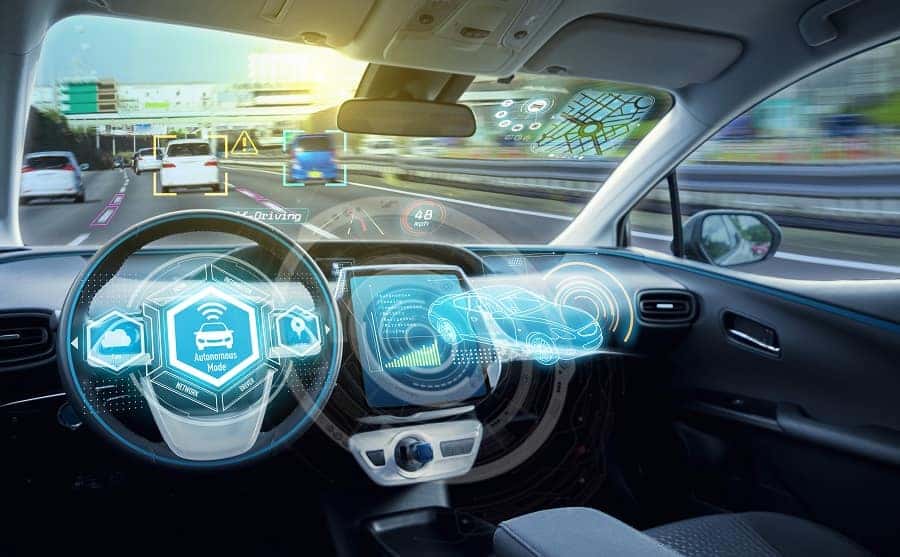
Understanding Smart Car Safety Technology
The concept of vehicle safety has fundamentally changed in recent years. Traditional safety features focused on protecting occupants during crashes—crumple zones, airbags, and reinforced structures that minimize injury when accidents occur. While these passive safety systems remain critically important, modern technology takes a more proactive approach: preventing accidents before they happen.
Advanced Driver Assistance Systems, commonly known as ADAS, represent this new frontier in automotive safety. These sophisticated systems use multiple technologies working together—radar sensors, cameras, ultrasonic detectors, and powerful computers running artificial intelligence algorithms. Together, these components create a comprehensive safety net that monitors the vehicle’s surroundings constantly, identifies potential hazards, and takes action when necessary.
The sensors function as the vehicle’s eyes and ears. Forward-facing cameras read road markings and detect objects ahead. Radar sensors measure distances and speeds of surrounding vehicles. Ultrasonic sensors monitor close-range obstacles during parking. Side-mounted cameras and radar eliminate blind spots. All this information flows to central computers that process data in real-time, making split-second decisions that can prevent collisions.
The statistics speak volumes about effectiveness. Studies from the Insurance Institute for Highway Safety show that vehicles equipped with automatic emergency braking experience 50% fewer rear-end collisions. Forward collision warnings reduce accidents by 27%. Lane departure warnings decrease single-vehicle, sideswipe, and head-on crashes by 11%. These aren’t marginal improvements—they represent thousands of prevented accidents and saved lives annually.
Investing in vehicle safety technology delivers returns that extend beyond accident prevention. Insurance companies recognize the value of these systems, offering premium discounts that can offset initial costs over time. More importantly, the confidence and peace of mind these features provide transform the entire driving experience. Parents feel more secure transporting their children. New drivers gain experience with an extra layer of protection. Elderly drivers maintain independence longer, knowing advanced systems assist them.
Understanding how these technologies work helps drivers appreciate their value and use them effectively. Smart safety features aren’t autopilot systems—they’re sophisticated assistance tools that work best when combined with attentive, responsible driving.
The Essential Smart Safety Features
Feature #1: Automatic Emergency Braking (AEB)
Automatic emergency braking stands as perhaps the single most important safety innovation in modern vehicles. This system represents the last line of defense against frontal collisions, automatically applying brakes when sensors detect an imminent crash and the driver hasn’t responded adequately.
The technology operates through forward-facing radar and camera systems that constantly monitor the road ahead. These sensors track vehicles, pedestrians, cyclists, and even large animals, calculating their speed, distance, and trajectory. Advanced algorithms predict potential collisions by analyzing closing speeds and driver behavior. When the system determines that a collision is unavoidable unless action is taken, it intervenes.
AEB systems typically operate in stages. First, they issue visual and auditory warnings to alert the driver of danger ahead. If the driver responds by braking, the system may provide additional brake assist to ensure maximum stopping power. However, if the driver doesn’t react within a critical timeframe—often just a second or two—the system autonomously applies full braking force.
Real-world scenarios demonstrate AEB’s life-saving potential daily. Consider a driver glancing at a navigation screen while the vehicle ahead suddenly brakes hard. That momentary distraction could result in a devastating rear-end collision. With AEB, sensors detect the stopped vehicle and apply brakes automatically, preventing or significantly reducing impact severity. Similar interventions occur when pedestrians unexpectedly step into the street, when traffic suddenly stops on highways, or when drivers simply don’t notice brake lights ahead.
The collision reduction statistics are remarkable. Research shows AEB-equipped vehicles experience approximately 50% fewer rear-end crashes—the most common accident type in the United States. When collisions do occur despite AEB intervention, impact speeds are typically lower, resulting in less severe injuries and property damage.
Not all AEB systems perform equally. Some function only at low speeds, designed primarily for urban traffic conditions. Premium systems work at highway speeds and can detect multiple object types including pedestrians and cyclists. The most advanced systems integrate with other safety features like adaptive cruise control and lane keeping assist, creating comprehensive protection.
Several manufacturers have committed to making AEB standard equipment across their lineups. Toyota, Honda, Subaru, Mazda, and most luxury brands now include this technology even on base models. This widespread adoption reflects the automotive industry’s recognition that AEB represents fundamental safety equipment rather than optional luxury.
Limitations do exist. Heavy rain, fog, and snow can interfere with sensor performance. The systems may occasionally activate for false alarms—overhanging signs, shadows, or unusual road conditions. However, these minor inconveniences pale compared to the system’s accident prevention capabilities.
Feature #2: Blind Spot Monitoring & Detection
Blind spots—those areas alongside and slightly behind vehicles that mirrors simply cannot cover—have caused countless accidents throughout automotive history. No matter how carefully drivers check mirrors before changing lanes, certain angles remain invisible. Blind spot monitoring eliminates this inherent limitation through technology that literally sees what drivers cannot.
The system employs radar sensors mounted in the rear bumper or near side mirrors. These sensors continuously scan adjacent lanes, detecting vehicles in blind spot zones that extend from slightly behind the driver to several feet rearward. When another vehicle enters this monitored area, the system alerts the driver through illuminated indicators typically placed in or near the side mirrors.
The beauty of blind spot monitoring lies in its unobtrusive operation. During normal driving with clear adjacent lanes, the system remains silent—no alerts, no distractions. Only when an actual vehicle occupies the blind spot does the indicator illuminate, providing at-a-glance awareness without requiring conscious checking.
Many systems incorporate an additional layer of safety: if the driver activates a turn signal while another vehicle occupies the corresponding blind spot, the warning intensifies. The indicator may flash rapidly, change color to amber or red, or trigger an auditory alert. Some advanced systems even provide gentle steering resistance, subtly discouraging lane changes into occupied space.
Rear cross-traffic alert extends blind spot monitoring’s benefits to parking situations. When backing out of parking spaces—particularly in busy lots where pedestrians and vehicles move unpredictably—sensors monitor crossing traffic from both sides. If approaching vehicles are detected, the system issues warnings, helping prevent common parking lot collisions.
The effectiveness of blind spot monitoring becomes especially apparent during highway driving. Multi-lane highways require frequent lane changes, and vehicles can appear in blind spots quickly at high speeds. The system’s ability to track fast-approaching vehicles and alert drivers provides critical extra seconds to make safe decisions.
Motorcycles and bicycles present particular challenges for traditional mirror checking—they’re smaller, easier to overlook, and more vulnerable in collisions. Quality blind spot monitoring systems are calibrated to detect these smaller vehicles, providing crucial protection for vulnerable road users.
Statistics indicate that blind spot monitoring reduces lane-change accidents by approximately 14% and injuries from these accidents by 23%. While these numbers might seem modest compared to other safety features, they represent thousands of prevented collisions annually.
The technology has become increasingly common across vehicle segments. Once exclusive to luxury vehicles, blind spot monitoring now appears in many mid-range sedans, SUVs, and even some compact cars. The relatively low cost of radar sensors and increasing consumer demand have driven this widespread adoption.
Feature #3: Lane Departure Warning & Lane Keeping Assist
A momentary lapse in attention—adjusting the radio, checking a phone notification, reaching for something—can cause a vehicle to drift out of its lane. This seemingly minor mistake leads to some of the most serious accidents: head-on collisions from crossing the centerline, sideswipe crashes in adjacent lanes, or running off the road entirely. Lane departure warning and lane keeping assist address this common cause of accidents through continuous monitoring and gentle intervention.
The systems work through forward-facing cameras mounted near the rearview mirror. These cameras constantly read road markings—the white and yellow lines defining lanes on most roads. Sophisticated image processing algorithms track the vehicle’s position relative to these markings, detecting when the car begins drifting toward or across lane boundaries.
Lane departure warning provides alerts when unintended drift is detected. The key word is “unintended”—systems typically don’t activate when turn signals are used, recognizing intentional lane changes. Alert methods vary by manufacturer and can include visual warnings on the dashboard or heads-up display, auditory beeps or chimes, and haptic feedback through steering wheel vibrations or seat pulses.
Lane keeping assist takes intervention a step further. When the vehicle drifts toward lane markings without signaling, the system doesn’t just warn—it actively applies gentle steering corrections to guide the vehicle back toward lane center. The steering input is mild enough that drivers can easily override it but strong enough to prevent unintended lane departure in most situations.
The effectiveness of these systems in preventing accidents is well-documented. Research shows lane departure warning reduces single-vehicle, sideswipe, and head-on crashes by 11%. Lane keeping assist, with its active steering intervention, provides even greater protection. The Insurance Institute for Highway Safety found that vehicles with lane keeping assist experience 21% fewer injury crashes involving lane departure.
Highway driving represents the primary benefit area for these technologies. Long, monotonous highway stretches—especially late at night or during long trips—can lead to momentary attention lapses even among careful drivers. Lane keeping assist provides an extra margin of safety during these vulnerable moments.
Some advanced systems, often called lane centering, go beyond simple departure prevention. These systems actively work to keep the vehicle centered in its lane, making small, continuous steering adjustments. When combined with adaptive cruise control, lane centering creates a semi-autonomous driving experience that significantly reduces driver fatigue on long trips.
Limitations exist, particularly regarding road marking quality. Faded lines, construction zones with temporary markings, or roads without clear lane markings can confuse the systems. Heavy snow covering road markings makes the technology ineffective. Additionally, sharp curves sometimes exceed the system’s ability to maintain lane position.
Driver attention monitoring increasingly pairs with lane keeping systems. If the vehicle detects that steering corrections are happening frequently—suggesting the driver isn’t actively engaged—many systems will issue warnings requesting the driver to take control. Some will even bring the vehicle to a controlled stop if the driver remains unresponsive.
Feature #4: Forward Collision Warning (FCW)
Forward collision warning serves as the early alert system that gives drivers precious extra seconds to avoid frontal crashes. While automatic emergency braking acts as the last-resort intervention, FCW focuses on catching driver attention before situations become critical, allowing human reaction to prevent accidents entirely.
The technology uses the same sensor suite as automatic emergency braking—forward-facing radar and cameras that monitor traffic ahead. However, FCW activates earlier in developing collision scenarios, when safe stopping is still possible with driver intervention alone. The system constantly calculates closing speeds, distances to vehicles ahead, and the time remaining before potential impact.
When FCW determines that a collision risk exists, it issues progressive warnings designed to capture attention without causing panic. Initial alerts might include visual indicators on the dashboard or heads-up display—simple icons showing distance to the vehicle ahead decreasing rapidly. If the situation worsens, auditory warnings activate: beeps, chimes, or voice alerts announcing “BRAKE!” or “COLLISION WARNING!”
Many systems incorporate haptic feedback as an additional alert method. Brief, sharp brake pulses—sometimes called “brake pulsing” or “brake pre-tensioning”—provide physical sensation that cuts through potential distractions. This multi-sensory approach ensures warnings register even when drivers are partially distracted.
The goal is enabling driver response rather than replacing it. Research consistently shows that earlier warnings provide better outcomes. When drivers react to FCW alerts, they typically avoid collisions entirely or reduce speeds significantly before impact. This contrasts with automatic emergency braking scenarios where collision avoidance often isn’t possible—the system can only minimize severity.
Forward collision warning proves particularly valuable in stop-and-go traffic. These conditions require constant attention to brake lights ahead, and momentary distractions are common. FCW monitors this environment continuously, alerting drivers the instant ahead vehicles brake unexpectedly or traffic patterns suddenly change.
The system also excels at detecting rapid deceleration at highway speeds. When traffic ahead slows suddenly—perhaps due to an accident or obstacle—vehicles several positions back might not immediately recognize the severity. FCW systems monitoring multiple vehicles ahead can alert drivers to developing slowdowns before they’re visually obvious.
Statistics demonstrate FCW’s effectiveness. Vehicles equipped with forward collision warning experience 27% fewer rear-end crashes. The technology particularly benefits younger and older drivers—groups with slower average reaction times who gain the most from early warnings.
Integration with adaptive cruise control creates particularly effective safety systems. When adaptive cruise control maintains following distance and FCW monitors for sudden changes, drivers benefit from both proactive speed management and reactive hazard warnings. This combination addresses the majority of frontal collision scenarios.
Like all camera and radar-based systems, FCW performance can degrade in severe weather. Heavy rain, dense fog, and blinding snow may limit sensor range or reliability. However, these are exactly the conditions where extra vigilance matters most, so the systems still provide value even with reduced effectiveness.
False positives occasionally occur—warnings when no actual collision danger exists. Overhead signs on highway curves, vehicles in adjacent lanes, or unusual road geometry might trigger alerts. While manufacturers continuously improve accuracy through software updates, occasional false warnings remain preferable to missing actual collision risks.
Feature #5: Adaptive Headlights
Driving at night inherently increases accident risk. Reduced visibility makes hazards harder to spot, reaction times slower, and judgment of distances more difficult. According to the National Safety Council, despite only 25% of driving occurring at night, roughly 50% of traffic fatalities happen during dark hours. Adaptive headlights address these nighttime risks by dynamically adjusting illumination to match driving conditions.
Traditional headlights point in fixed directions—straight ahead with occasional manual switching between low and high beams. Adaptive headlights, also called dynamic or swiveling headlights, pivot automatically to follow road curves. As drivers steer through turns, the headlight beams rotate in the direction of travel, illuminating the road ahead rather than the shoulder or guardrail.
The effect is dramatic, particularly on winding roads. Instead of headlights pointing straight while the vehicle turns—leaving the actual travel path in relative darkness—adaptive headlights continuously illuminate where the vehicle is heading. This improved visibility allows drivers to see upcoming obstacles, road conditions, and potential hazards much earlier.
Automatic high-beam control adds another layer of adaptive lighting. This system monitors oncoming and preceding traffic, automatically switching between high and low beams as appropriate. When roads are empty, high beams remain on, maximizing visibility. As other vehicles approach, sensors detect their headlights or taillights and automatically dip to low beams, preventing glare for other drivers.
The convenience factor shouldn’t be underestimated. Many drivers rarely use high beams specifically because manually switching is tedious—easy to forget during nighttime drives. Automatic systems remove this burden, ensuring maximum safe illumination without requiring constant manual attention.
Some advanced adaptive lighting systems incorporate matrix or pixel LED technology. These systems can selectively dim portions of the high beam to create “shadows” around other vehicles while keeping the rest of the high beam active. The result is near-constant high beam illumination without blinding other drivers—the best of both worlds.
Cornering lights supplement adaptive main beams. As vehicles navigate intersections or tight turns at low speeds, additional lights mounted in the bumper or fog light locations illuminate the immediate turn area. This helps drivers see pedestrians, cyclists, or obstacles that might be missed by forward-facing beams during turns.
Statistics on adaptive headlight effectiveness show significant safety improvements. Studies indicate these systems reduce nighttime accidents by approximately 10%. This might seem modest, but considering nighttime driving’s disproportionate accident rate, the real-world impact involves preventing thousands of crashes annually.
The technology proves especially valuable for older drivers. Age-related vision changes make night driving progressively more challenging, with glare sensitivity and reduced low-light vision becoming common concerns. Adaptive headlights partially compensate for these changes, helping seniors maintain safe nighttime driving capabilities longer.
Rural and poorly-lit roads benefit most from adaptive lighting. Urban driving typically involves ambient lighting from streetlights, businesses, and other sources that supplement headlights. Rural highways and country roads often lack any illumination beyond vehicle headlights, making adaptive systems’ improved visibility particularly critical.
Maintenance considerations exist with adaptive headlights. The mechanical actuators that pivot lights and the sensors controlling beam patterns add complexity compared to traditional fixed headlights. Replacement costs can be higher if components fail. However, the safety benefits typically outweigh these concerns for drivers who frequently travel at night.
Feature #6: 360-Degree Camera System
Parking lot collisions might not make headlines, but they represent a significant portion of vehicle damage claims and occasional pedestrian injuries. Low-speed maneuvering creates numerous blind spots—areas behind, beside, and in front of vehicles that mirrors and windows don’t cover adequately. The 360-degree camera system eliminates these blind spots through a comprehensive bird’s-eye view of the vehicle’s immediate surroundings.
The technology employs four or more wide-angle cameras positioned around the vehicle—typically one in the front grille, one in the rear, and one under each side mirror. Computer processing stitches these separate camera feeds together, creating a composite overhead view that makes the vehicle appear surrounded by a virtual aerial camera several feet above.
The bird’s-eye perspective provides situational awareness impossible to achieve through mirrors alone. Drivers can see exactly how much space exists on all sides, where curbs and parking lines are located, and whether pedestrians or shopping carts occupy adjacent spaces. This comprehensive view transforms parking from a sometimes-anxious guessing game into a straightforward visual task.
Individual camera views supplement the overhead display. Drivers can switch between the bird’s-eye view and front, rear, or side cameras for detailed perspectives. This proves valuable when precise maneuvering is required—parking close to a wall, navigating narrow garage entries, or avoiding specific obstacles.
Dynamic guidelines enhance the system’s utility. Many 360-degree camera systems overlay colored lines showing the vehicle’s projected path based on current steering angle. These trajectory lines update in real-time as the steering wheel turns, providing visual confirmation of where the vehicle will travel. Color coding typically indicates distances—green for safe zones, yellow for caution areas, and red for immediate obstacles.
Parking sensors integrate with camera systems in many vehicles. While cameras provide visual information, ultrasonic sensors measure exact distances to obstacles and provide auditory warnings—beeping frequencies that increase as objects get closer. The combination of visual and auditory feedback creates a highly effective awareness system.
Low-speed collision prevention builds on this foundation. Some advanced systems monitor the camera and sensor feeds, automatically applying brakes if obstacles are detected and the driver continues accelerating. This prevents common scenarios like backing into poles, driving forward into garage walls, or striking shopping carts and pedestrians in parking lots.
The pedestrian safety benefits deserve special emphasis. Children playing near vehicles, elderly individuals with mobility limitations, and distracted pedestrians absorbed in phones all become more visible through comprehensive camera coverage. The bird’s-eye view shows their locations clearly, while individual camera feeds provide detailed images that confirm their presence.
Trailer backing becomes dramatically easier with 360-degree cameras. This traditionally challenging task—requiring spatial awareness of both vehicle and trailer movement—becomes more intuitive with visual guidance. Some systems even provide trailer-specific guidelines that show the projected path of both vehicle and trailer, simplifying even difficult backing maneuvers.
The learning curve for 360-degree cameras is typically short. Most drivers adapt within a few parking attempts, quickly learning to trust the camera perspective over traditional mirror checking. The intuitive visual nature of the system requires less explanation than many other advanced features.
Image quality varies significantly between systems. Budget implementations might offer grainy, low-resolution views with limited nighttime visibility. Premium systems provide high-definition images with excellent low-light performance and clear detail. When evaluating vehicles, testing camera clarity in various lighting conditions helps assess system quality.
Some drivers worry that camera dependence might erode traditional parking skills. This concern has merit—over-reliance on any assistance system can diminish the underlying abilities. However, cameras supplement rather than replace awareness, and most drivers naturally balance camera information with direct observation.
Feature #7: Driver Attention Monitoring
Human attention naturally fluctuates, and even conscientious drivers experience moments of reduced alertness—especially during long trips, late-night driving, or monotonous highway stretches. Drowsy driving causes thousands of accidents annually, with some estimates suggesting fatigue contributes to 20% of all crashes. Driver attention monitoring systems address this human limitation by continuously assessing alertness and intervening when attention appears compromised.
These systems employ various monitoring methods depending on manufacturer and sophistication level. Steering pattern analysis represents the most common approach. Software algorithms learn individual driver’s normal steering behaviors—the small, constant corrections made to maintain lane position. When steering becomes erratic—either too many large corrections or prolonged periods without any steering input—the system interprets this as potential drowsiness or distraction.
Camera-based driver monitoring provides more direct assessment. Infrared cameras mounted near the instrument cluster or steering column track head position, eye gaze direction, and blink rates. These systems can detect when drivers look away from the road for extended periods or show signs of drowsiness like heavy eyelids, excessive blinking, or nodding head movements.
When attention appears compromised, monitoring systems issue escalating warnings. Initial alerts might be gentle—visual icons on the dashboard suggesting a break is needed, sometimes accompanied by a coffee cup symbol. If behavior doesn’t improve, auditory alerts activate: beeps, chimes, or voice announcements recommending rest stops. Some systems provide haptic warnings through seat vibrations or steering wheel pulses.
Advanced systems go beyond simple alertness warnings. They can distinguish between drowsiness and distraction, issuing different alerts for each. When drivers repeatedly check phones or look away from the road, the system might display warnings specifically about distracted driving. For drowsiness indicators, it might suggest nearby rest areas or service stations.
Integration with other safety systems enhances effectiveness. If driver monitoring detects reduced attention while lane keeping assist makes frequent corrections, the combined information strongly suggests compromised alertness. The system can then issue more urgent warnings or even reduce cruise control speed to increase safety margins.
Some premium systems include intelligent features like break time tracking. If a driver has been behind the wheel for several hours without stopping, the system proactively suggests breaks before attention degradation becomes apparent. This preventive approach helps drivers maintain alertness rather than just reacting to deterioration.
The effectiveness statistics are compelling. Research indicates that driver monitoring systems reduce drowsy-driving accidents by up to 20%. While drivers might initially find attention warnings intrusive, most eventually appreciate the safety net these systems provide during long trips or challenging conditions.
Privacy concerns surround camera-based monitoring systems. Drivers rightfully question how their facial images are used and stored. Reputable manufacturers address these concerns through transparency—clearly documenting that image processing occurs locally in the vehicle, with no data transmitted or stored externally. The systems analyze attention patterns without identifying specific individuals.
Certain driving conditions can trigger false alerts. Construction zones with unusual road markings, severe weather requiring intense focus and unusual steering patterns, or simple vehicle adjustments like climate control changes might be misinterpreted as distraction. Understanding system limitations helps drivers distinguish between valid warnings and false positives.
The technology proves particularly valuable for commercial drivers, professional chauffeurs, and anyone whose livelihood depends on extensive driving. Some fleet operators require driver monitoring systems, recognizing that fatigue-related accidents carry both safety and legal implications.
For families with teenage drivers, monitoring systems provide an additional safety layer. New drivers often overestimate their attention capabilities, particularly regarding phone use while driving. Systems that detect and discourage distracted driving behaviors support parental guidance about safe driving practices.
Feature #8: Pedestrian Detection & Cyclist Alert
Vehicles’ metal frames provide significant protection for occupants during collisions. Pedestrians and cyclists have no such protection—they’re entirely vulnerable when vehicles strike them. Tragically, pedestrian fatalities have increased in recent years despite overall traffic death declines. Pedestrian detection and cyclist alert systems address this growing problem through dedicated technology that identifies vulnerable road users and prevents collisions.
These systems utilize specialized camera and radar configurations calibrated to recognize human shapes and bicycle profiles. The challenge exceeds detecting other vehicles—pedestrians and cyclists are smaller, less reflective, and exhibit more unpredictable movement patterns. Advanced algorithms trained on thousands of images learn to distinguish people and bicycles from other objects like signs, mailboxes, or shadows.
The systems monitor areas ahead of and alongside vehicles, scanning for pedestrians who might enter the vehicle’s path. Common dangerous scenarios include pedestrians crossing mid-block, stepping out from between parked cars, or walking along roadway edges. The system tracks detected pedestrians, predicting their movement trajectories and assessing collision risk.
When the system identifies a potential pedestrian collision, it progresses through warning and intervention stages. Initial alerts draw driver attention to the pedestrian—visual indicators on the dashboard or heads-up display showing where the person is located. If collision risk increases without driver response, auditory warnings activate. In critical situations where impact appears imminent, the system automatically applies emergency braking.
Cyclist detection employs similar principles but accounts for bicycle-specific characteristics—faster movement speeds than pedestrians, distinctive bicycle shapes, and typical cyclist behaviors. Systems monitor for cyclists approaching from side streets, riding along roadway shoulders, or unexpectedly emerging from driveways or parking lots.
Urban environments present the most challenging conditions for pedestrian detection. Busy sidewalks with numerous people, complex intersections with crossing pedestrians, and vehicles constantly appearing from side streets create dynamic, information-rich environments. Quality systems handle this complexity, continuously tracking multiple pedestrians while maintaining low false-alert rates.
School zones and residential neighborhoods particularly benefit from pedestrian detection. Children’s unpredictable behavior—suddenly running into streets after balls or pets—represents a nightmare scenario for drivers. Automated systems react faster than human drivers, potentially preventing tragedies during these split-second situations.
Nighttime pedestrian detection has improved dramatically with recent technology advances. Earlier systems struggled with low-light conditions, but modern implementations using thermal imaging and sophisticated camera processing can detect pedestrians even in complete darkness. This addresses the disproportionate number of pedestrian accidents occurring after dark.
Weather limitations remain a challenge. Heavy rain, dense fog, and snow can degrade camera performance and interfere with pedestrian recognition algorithms. However, manufacturers continuously improve robustness through better sensors, more sophisticated processing, and sensor fusion techniques combining multiple data sources.
Statistics demonstrate these systems’ life-saving potential. Research indicates pedestrian detection with automatic braking reduces pedestrian crashes by approximately 27%. For vulnerable road users who have few options to protect themselves, this technology represents a critical safety advancement.
Some systems include post-collision features. If a pedestrian impact is detected, the vehicle automatically activates hazard lights, calls emergency services, and provides location information. These features can’t prevent the initial collision but may improve outcomes by ensuring rapid medical response.
Cyclists particularly benefit from detection systems given their vulnerability and frequent interaction with vehicle traffic. Many cyclist fatalities result from drivers simply not seeing cyclists—particularly during turns where cyclists might be in blind spots. Automated detection addresses this visibility problem directly.
Integration with other systems enhances protection. When pedestrian detection works alongside cross-traffic alert in parking lots, comprehensive monitoring covers both driving and parking situations where pedestrians are present. Combined with automatic emergency braking, the result is multi-layered protection for vulnerable road users.
Feature #9: Tire Pressure Monitoring System (TPMS)
Tires represent the only contact between vehicles and roads—the critical interface where steering, braking, and acceleration forces transfer from car to pavement. Proper tire pressure directly affects safety, yet many drivers rarely check tire inflation. Underinflated tires increase stopping distances, reduce handling precision, and in extreme cases can lead to catastrophic blowouts. Tire Pressure Monitoring Systems make maintaining correct pressure effortless by continuously monitoring and alerting drivers to problems.
Federal regulations have mandated TPMS on all vehicles sold in the United States since 2007, reflecting the government’s recognition of tire pressure’s critical safety role. The systems employ one of two technologies: direct or indirect monitoring. Direct TPMS uses pressure sensors mounted inside each wheel that transmit real-time pressure readings to the vehicle’s computer. Indirect systems monitor wheel rotation speeds—underinflated tires have slightly smaller diameters and rotate faster than properly inflated tires.
Direct TPMS provides superior accuracy and detail. The dashboard display can show exact pressure for each tire, allowing drivers to identify which specific tire needs attention. Sensors also measure tire temperature, providing additional data that can indicate developing problems. When pressure drops below recommended levels, warning lights illuminate and many systems specify which tire is affected.
The safety benefits extend beyond preventing catastrophic failures. Properly inflated tires maintain optimal contact patches with the road surface, ensuring maximum traction for braking and cornering. Underinflation increases stopping distances—sometimes by several feet—potentially meaning the difference between avoiding a collision and experiencing one.
Handling and vehicle stability improve significantly with correct tire pressure. Underinflated tires flex excessively during cornering, reducing steering precision and making vehicles feel sluggish or unresponsive. Overinflated tires reduce the contact patch, decreasing traction and making vehicles feel skittish or bouncy. TPMS helps maintain the ideal inflation that maximizes both safety and handling.
Fuel efficiency benefits provide a financial incentive beyond safety. Underinflated tires increase rolling resistance, forcing engines to work harder and consume more fuel. The Department of Energy estimates that proper tire inflation can improve gas mileage by up to 3%—savings that accumulate significantly over years of driving.
Tire longevity also suffers from incorrect pressure. Underinflated tires wear quickly on outer edges, while overinflated tires wear down centers. Maintaining proper pressure extends tire life, delaying expensive replacement costs. The TPMS warning that prompts timely inflation adjustments protects the investment in quality tires.
Seasonal temperature changes affect tire pressure significantly—typically about 1 PSI loss for every 10-degree Fahrenheit drop. This means winter’s arrival can take tires from proper pressure to significantly underinflated without any actual air leaks. TPMS alerts drivers to these seasonal adjustments, ensuring year-round proper inflation.
System maintenance is minimal but important. Direct TPMS sensors contain batteries that eventually require replacement—typically every 5-10 years. Sensor replacement usually coincides with tire changes, keeping costs reasonable. Some sensors can be damaged during tire mounting, so using experienced technicians familiar with TPMS is important.
Spare tire monitoring varies by vehicle. Some systems include TPMS sensors in spare tires, alerting drivers if the spare is flat before it’s needed. This prevents the frustrating discovery of a flat spare when roadside assistance is necessary. However, many vehicles with temporary spare tires don’t monitor spare pressure, so manual checks remain advisable.
The warning light itself requires understanding. A solid TPMS light indicates low tire pressure requiring attention. A flashing TPMS light typically signals a system malfunction—sensors not communicating properly or other technical issues. Ignoring either warning compromises safety, so prompt attention is essential.
Winter driving particularly benefits from TPMS. Cold temperatures combined with snow and ice create challenging conditions where maximum traction is critical. Properly inflated tires ensure the best possible grip, while underinflated tires significantly compromise control on slippery surfaces.
Feature #10: Electronic Stability Control (ESC)
Loss of vehicle control represents one of the most frightening and dangerous situations drivers face. Whether caused by slick roads, emergency maneuvers, or simple overcorrection, vehicles that begin sliding or spinning can quickly result in serious accidents. Electronic Stability Control prevents these loss-of-control situations through sophisticated monitoring and selective brake application that maintains vehicle stability even during extreme conditions.
ESC functions as an invisible safety net, working continuously but intervening only when control is threatened. The system monitors multiple parameters dozens of times per second: steering angle, individual wheel speeds, lateral acceleration, and yaw rate (rotation around the vehicle’s vertical axis). By comparing the driver’s intended direction (indicated by steering angle) with the vehicle’s actual direction (measured by sensors), ESC instantly detects when the vehicle isn’t responding as commanded.
Two primary loss-of-control situations trigger ESC intervention: understeer and oversteer. Understeer occurs when the front tires lose grip and the vehicle doesn’t turn as sharply as steered—essentially “plowing” straight instead of cornering. Oversteer happens when rear tires lose traction, causing the vehicle’s rear to slide outward—potentially resulting in spinning. ESC recognizes these conditions within fractions of a second and responds appropriately.
The intervention methodology is elegant in its precision. Rather than applying all brakes equally like conventional braking, ESC selectively brakes individual wheels to create corrective forces. For understeer, the system might brake the inside rear wheel, helping pull the vehicle into the turn. For oversteer, it might brake the outside front wheel, counteracting the spin. These selective applications happen faster and more precisely than any driver could achieve manually.
Engine power management complements selective braking. When ESC activates, the system can reduce throttle or engine power regardless of accelerator pedal position. This prevents the engine from fighting the stability corrections, allowing the braking interventions to work more effectively.
Real-world effectiveness statistics are remarkable. The Insurance Institute for Highway Safety estimates that ESC reduces single-vehicle crash risk by 49% and single-vehicle SUV rollover risk by 72%. These aren’t incremental improvements—they represent fundamentally transformed accident rates. The technology’s proven effectiveness led to federal mandates requiring ESC on all passenger vehicles sold in the United States since 2012.
Winter driving showcases ESC’s value most dramatically. Snow and ice create conditions where traction is minimal and control can be lost easily. ESC allows drivers to maintain control during situations that would otherwise result in sliding or spinning. The system can’t overcome the laws of physics—if speeds are too high for conditions, even ESC can’t prevent accidents—but it dramatically expands the safety envelope.
Emergency maneuvers benefit immensely from ESC. When drivers swerve suddenly to avoid obstacles—deer in the road, debris from other vehicles, or pedestrians—the rapid steering input can destabilize vehicles. ESC helps maintain control during these extreme inputs, allowing successful hazard avoidance without subsequent loss of control.
SUVs and top-heavy vehicles gain particular benefit from ESC. Their higher centers of gravity make them more prone to rollover during extreme cornering or evasive maneuvers. ESC recognizes developing rollover situations and intervenes to prevent them—the primary reason SUV rollover rates have decreased significantly since ESC became standard.
Driver experience with ESC is typically subtle. In normal driving conditions, the system remains imperceptible. Only during slip conditions or aggressive maneuvers does ESC activate, usually indicate